Preventing Chimney Fires This Winter
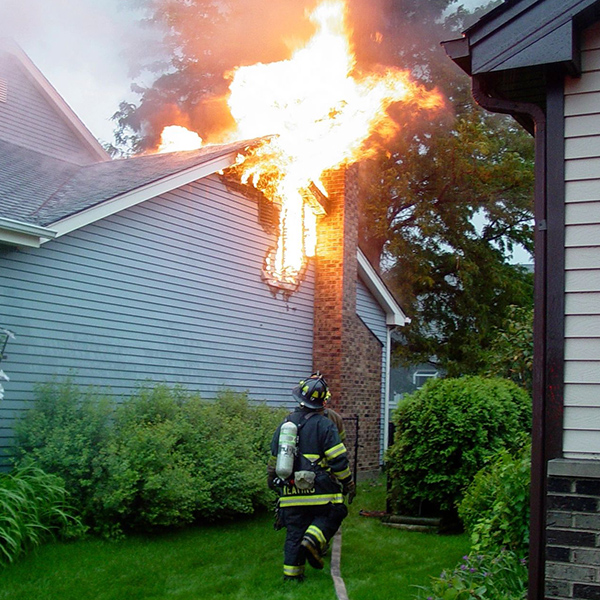
As many Iowans settle in by their fireplaces and freestanding stoves to stay warm during winter, it’s crucial to remember that this season is when most chimney fires occur. One major contributor is creosote, a highly flammable substance that accumulates from burning wood. As it hardens, creosote becomes even more combustible and can ignite, leading to a chimney fire that may quickly spread to the entire home. For instance, a recent chimney fire in Dubuque caused over $25,000 in damage to the house, primarily to the roof and attic.
 Bird’s Nests and Chimney Fires in Iowa
You’re still at risk even if you don’t use your fireplace often. Birds and other wildlife usually build nests in the flue during summer. When you light the fireplace or stove in the winter, the smoke, soot, and heat can ignite these nests in the chimney, leading to a surprising, and potentially devastating fire.
Leading Cause of Chimney Fires
According to the National Fire Protection Association (NFPA), there are over 25,000 chimney fires each year, making them the leading cause of residential fires. Fortunately, most chimney fires are preventable. Here are seven essential safety tips for preventing fires this winter:
Annual Chimney Inspection and Cleaning
A professional chimney sweep’s primary responsibility is to help homeowners prevent chimney fires. One of the most important steps to avoid an incident is to schedule a professional chimney inspection and cleaning before using your heating appliance in the winter.
A professional chimney sweep will thoroughly inspect the entire system, including the vents and the connected heating appliance, to identify potential issues such as cracks, leaks, or blockages. Additionally, the sweep will remove all creosote deposits to ensure your chimney operates efficiently.
Burn Seasoned Firewood
Burning dry, seasoned wood with a moisture content of 20% or less minimizes creosote buildup. Avoid softwoods like pine, fir, and spruce. They produce more creosote than hardwoods.
Open The Damper
Ensure your chimney damper is open fully before lighting the fire to prevent back puffing. Adjust the damper to maintain sufficient ventilation for the smoke and fumes to exit the chimney.
Extinguish Flames Before Bed
Always completely extinguish the fire before leaving the house or going to bed. After the flames are out, close the damper completely to help prevent reignition and heat loss.
Install A Chimney Cap
When installing a chimney cap, look for these two vital fire-prevention features:
- Steel mesh screen: This feature keeps curious critters from building nests inside the chimney.
- Spark arrestor: This feature prevents sparks and embers from flying out of the flue and igniting combustible materials on the roof, such as leaves, twigs, and debris.
Test Smoke and Carbon Monoxide Detectors
Every home with a heating appliance must have a working smoke and carbon monoxide detector. These inexpensive devices, which many fire departments provide free upon request, help save lives in the event of a fire or carbon monoxide leak. Test them monthly and change the batteries every six months unless otherwise specified by the manufacturer.
 Let Dubuque Fireplace and Patio Inspect and Clean Your Chimney for Winter
Don’t risk a chimney fire! Our professional technicians at Dubuque Fireplace and Patio are here to help you burn safely and efficiently this winter. We’ll inspect, clean, and repair your chimney, ensuring your fireplace, stove, furnace, and other heating appliances are ready for winter. So, if you’re in the IA-WI-IL Tri-State Area, don’t hesitate to get in touch for a safer, merrier holiday season.