Keeping Snow Out of Your Chimney
While the Farmer’s Almanac suggests a warmer-than-normal winter, many folks in Dubuque County and Grant County, Iowa, remember the blizzard of 2023 and are preparing their homes and chimneys for whatever snow comes their way this season.
 Snow and Moisture – A Mortar Enemy
Living in the Dubuque Tri-State region, we’re no strangers to the potential risks our chimneys face during the cold, snowy winters. While weather patterns vary from year to year, snow, ice, and water can cause significant damage to your chimney.
Water Damage
When snow melts, it can seep into the chimney’s bricks and mortar, leading to cracks and deterioration. As this freeze-thaw cycle continues throughout winter, more moisture fills even larger cracks. Eventually, these cracks cause the bricks to flake, crumble, and spall, which could destabilize the structure.
Creosote Buildup
Moisture inside your chimney can also lead to incomplete combustion, increasing the accumulation of soot and creosote. Creosote is a natural combustion product that is highly flammable and is the primary cause of chimney fires. These fires can be devastating, not only causing significant damage to your home but also posing a serious risk to your family’s safety. According to the Dubuque Fire Department, a recent chimney fire in the Center Grove area caused over $25,000 in damages to a home.
Chimney Liner Damage
Water can damage the chimney liner, causing the terra cotta tiles to chip and flake. A damaged liner can allow the intense heat in the fireplace to transfer and potentially ignite nearby combustible materials, such as the attic, roof deck, and walls. It can also increase the risk of smoke and carbon monoxide gas in the living area, reducing indoor air quality to dangerous levels.
Flashing Damage
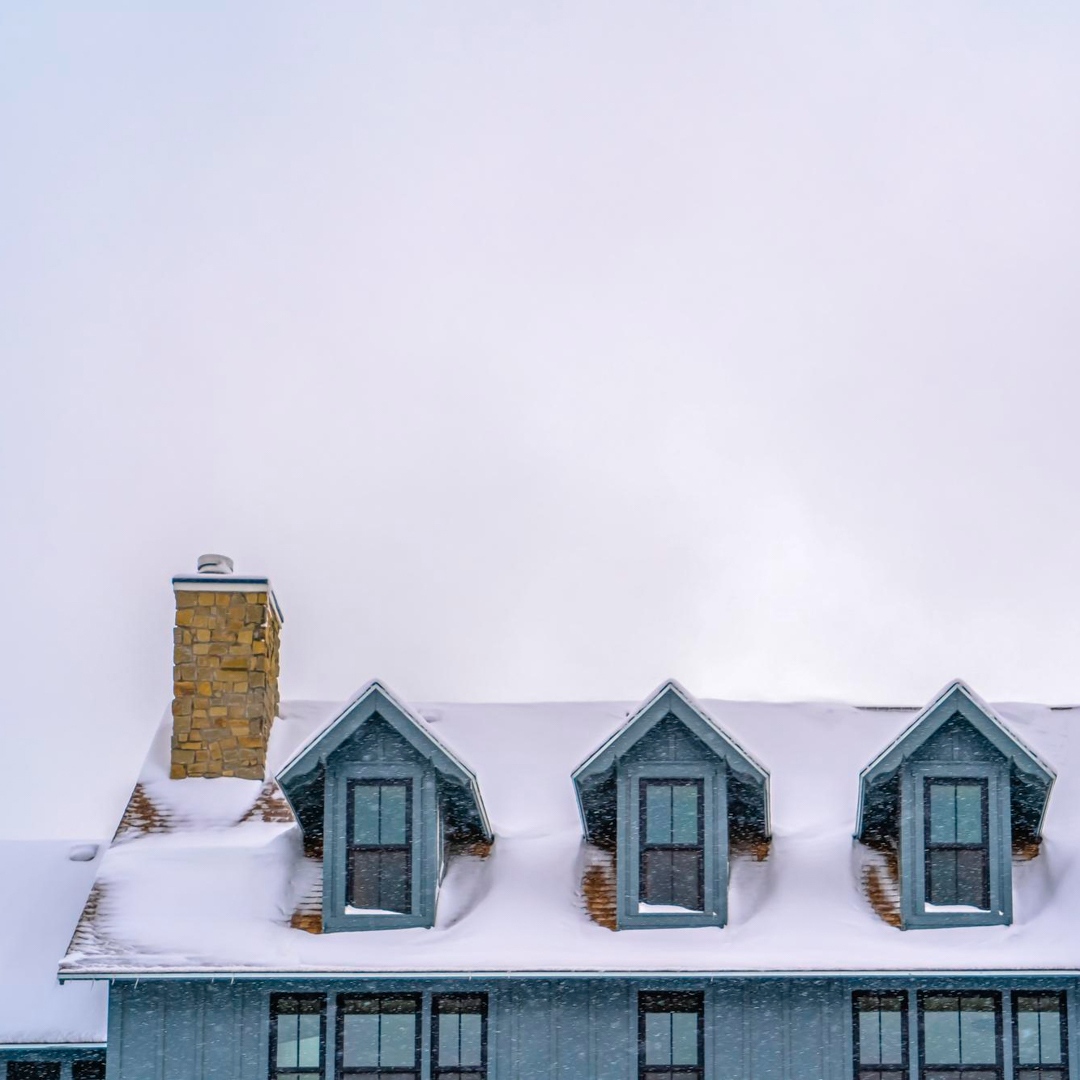
While snowcapped roofs may be pretty, the additional weight of compact snow can be very destructive to the metal flashing that seals the seam between the chimney and roof. Snowmelt can leak through gaps in the flashing and cause water damage to the interior masonry walls and metal components.
Tips to Keep Snow Out of Your Chimney
Cold temperatures, heavy snowfall, and icy conditions are expected during winter. By following these tips, you can ensure your chimney is ready for winter:
Regular Chimney Inspections and Cleaning
Schedule a professional chimney inspection and cleaning before the winter season. A professional chimney sweep can identify and address potential issues like cracks, leaks, or blockages. Regular cleaning removes creosote buildup, improving airflow and reducing fire risks.
Chimney Cap Installation
Is it snowing or raining in your fireplace? Install a chimney cap to prevent rain, snow, and debris entering your chimney. A well-fitted cap can significantly reduce the risk of water damage and blockages. It also helps to prevent animals from nesting in your chimney, reducing the risk of blockages and potential fire hazards. Choose a well-fitting cap made of durable materials like stainless steel or copper.
Chimney Crown Repair
Sealing minor cracks in the crown with durable mortar and waterproof sealant or rebuilding a crumbling crown will keep snow out of your chimney and help prevent further water damage to the structure.
Roof and Gutter Maintenance
Ensure your roof and gutters are clear of leaves, twigs, and debris. Regularly inspect and clean your gutters to prevent blockages that could lead to water pooling on your roof. Trim overhanging branches to prevent them from damaging your roof during heavy snowfall. A clean roof and gutter system helps keep snow and water out of your chimney.
Waterproofing
After making masonry repairs, we recommend applying a vapor-permeable waterproofing sealant to the exterior of your chimney. This sealant repels water, snow, and ice, protecting the masonry from moisture intrusion.
 Let Dubuque Fireplace and Patio Prepare Your Chimney for Winter
Our professional technicians at Dubuque Fireplace and Patio are here to help you keep snow out of your chimney. We’ll inspect, clean, and repair your chimney, ensuring your fireplace is ready for winter. So, if you’re in the IA-WI-IL Tri-State Area, don’t hesitate to get in touch for a safer, merrier holiday season.