Chimney Liner Safety
You use a fireplace and chimney all winter long, and you may not think of them at all during the summer, but it’s a good idea to have your chimney inspected during those long, warm days. Why, not only do you want to make sure that it’s in the best working order possible, there is a hidden issue, your chimney liner. There are problems with your chimney liner that can potentially become dangerous. With that in mind, let’s look closer at chimney liner safety.
Issues with a Damaged Chimney Liner
There are several issues that can come from a damaged chimney liner, some hazardous, some inconvenient:
Chimney Liners and House Fires
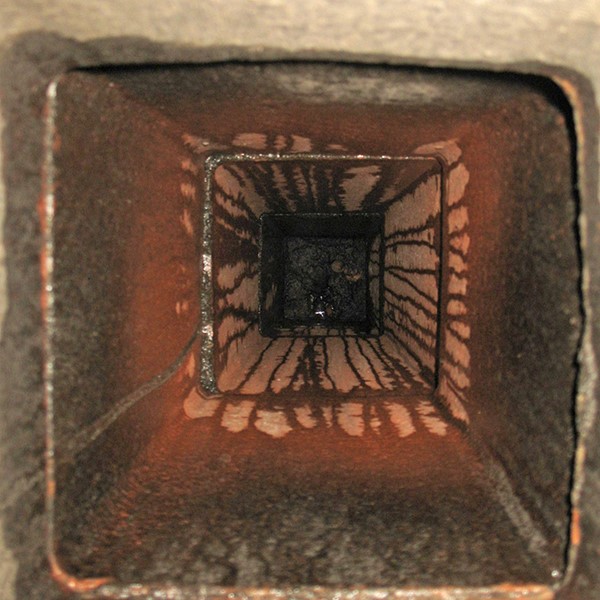
Cracks that develop in a worn-out chimney liner may let enough heat escape to ignite surrounding beams and other objects in the attic.
Damaged Chimney Liners May Lead to Carbon Monoxide Poisoning
When your chimney liner is perforated, instead of carbon monoxide being expelled from your chimney, it can seep into your home and cause illness or death. Make sure to place a carbon monoxide and smoke detector about fifteen feet from your fireplace.
Damaged Chimney Liners Can Cause Reduced Efficiency
A damaged chimney liner can decrease the efficiency of your heating system, increasing your power bills.
The Risks of Not Replacing a Damaged Chimney Liner
Pretending your chimney liner may last forever poses significant risks:
Health Issues
As we already stated, a damaged chimney liner can mean exposure to not only carbon monoxide but also smoke and toxic gases, possibly causing serious health risks, including eye irritation, breathing problems, poisoning, and death.
Structural Damage Caused by a Damaged Chimney Liner
Heat and combustion are the natural results of a damaged chimney liner, which can cause severe damage to your chimney’s structure and the home itself. The caustic gases that emanate from a damaged chimney liner can corrode metal joints in your chimney, leading to their decay and the chimney’s collapse.
How Frequently Should Your Chimney Liner Be Replaced?
To keep your house safe and well-heated involves routine upkeep of your chimney liner, which may mean replacing your chimney liner after years of service. Some materials last longer than others when it comes to chimney liners.
The Various Types of Chimney Liners
Clay Tile Chimney Liners
Clay tile chimney liners are found more often in older homes; the materials are cost-effective but can possibly crack when exposed extreme temperatures.
Cast-in-Place Liners
Cast-in-place chimney liners are poured into concrete liners that, when cured, give excellent insulation and structural support.
Metal Chimney Liners
Normally made of stainless steel or aluminum, metal chimney liners are durable, resistant to scorching temperatures, and often used in today’s homes.
Signs a Chimney Liner Needs to Be Replaced
Here are some signs that indicate possible damage to your chimney liner:
Visible Cracks or Damage
Fissures, gaps, or other obvious damage in your chimney liner.
Damaged Chimney Liners and Creosote Buildup
Excessive creosote buildup may be a sign that your chimney liner is malfunctioning. You can often tell there is a creosote buildup from a strong carbon smell even before your chimney is inspected.
Disintegration of Bricks or Mortar
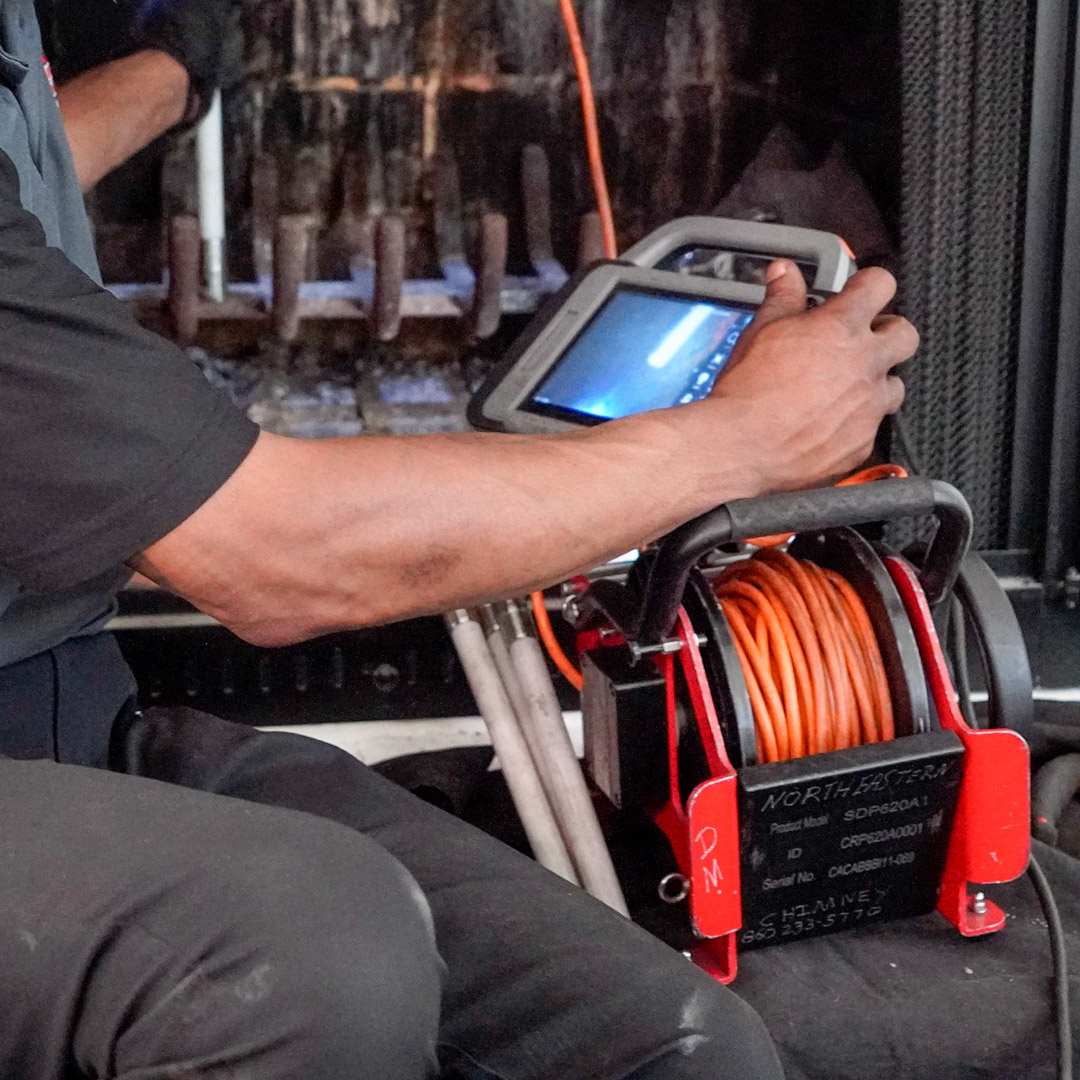
As we stated, caustic gases leaking from your chimney liner can break down its structure. If the exterior of the chimney shows signs of damage, it may signal issues with your chimney liner. In short, don’t wait until your chimney liner fails and causes safety issues, have your chimney inspected by a professional chimney sweep service.
Let Dubuque Fireplace and Patio Inspect Your Chimney Liner This Summer
Has it been some time since your chimney liner was replaced or inspected? Don’t wait until winter when a perforated chimney liner can become dangerous; contact us right away. One of our staff will gladly discuss inspecting and cleaning your chimney and possibly replacing your chimney liner.