
Humidity and Your Chimney: What Can Go Wrong?
Humidity is good for your skin, but it’s not good for your chimney. While people typically worry about humidity in the home, making it feel muggy and sticky, or messing with the AC, that moisture in the air can cause serious issues with your chimney, especially in warmer months.
Whether you use your fireplace all winter or just enjoy how it looks, ignoring the effects of humidity can lead to expensive repairs down the road.
So, what makes humidity so dangerous for your chimney, and what can you do about it?
Why Humidity Is Bad News For Your Chimney
Moisture is the biggest enemy of your chimney. Chimneys are built to withstand extreme heat, not constant exposure to damp, sticky air. When warm, humid air seeps into the chimney, especially if the damper is open, it can condense inside, leading to all sorts of nasty problems. Here’s what humidity can do to your chimney.
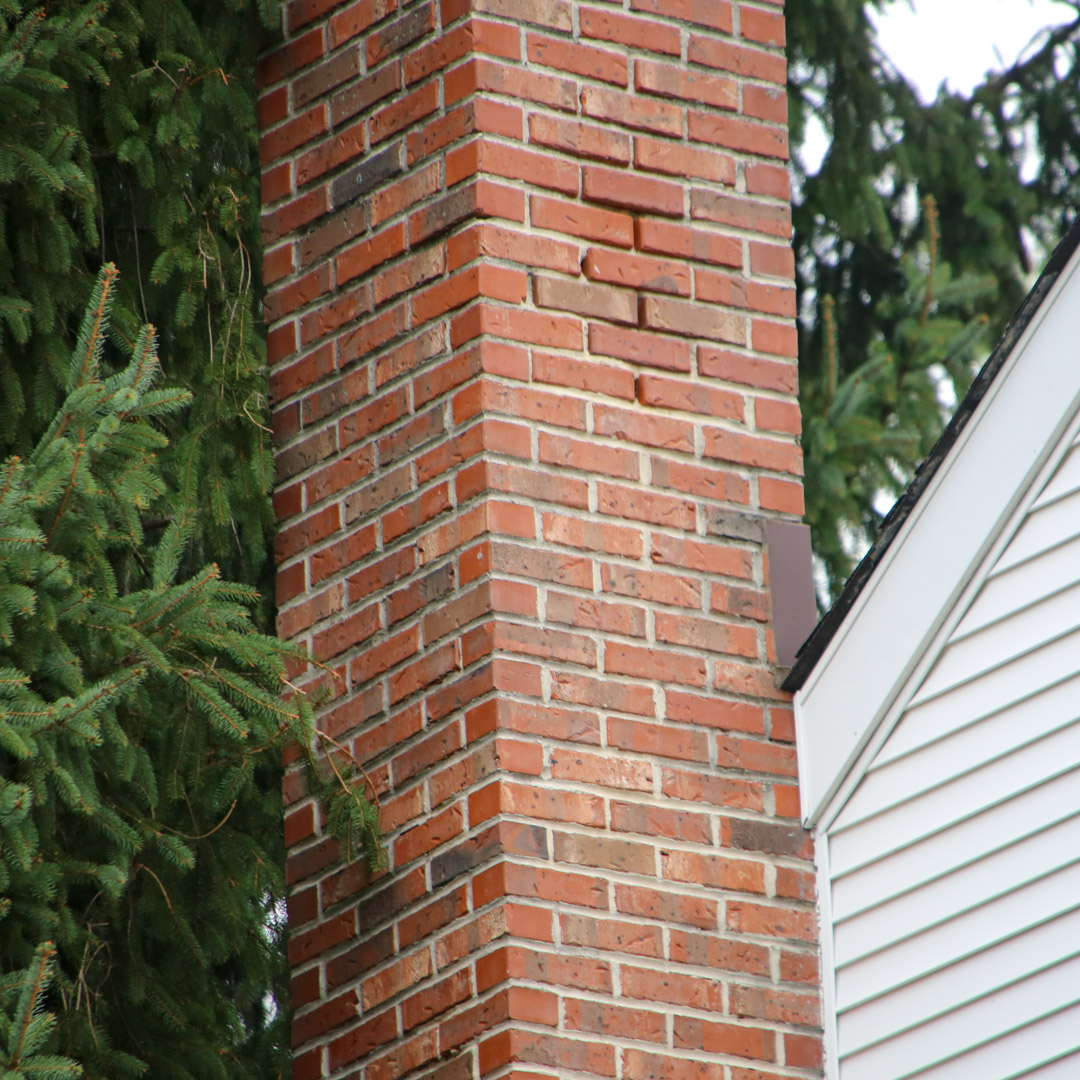
Brick and Mortar Damage Humidity accelerates the deterioration of the bricks and mortar. Over time, moisture gets absorbed into the masonry, weakening it and leading to cracks, gaps, and eventually bricks (spalling). Once water gets in, freeze-thaw cycles in winter can make it worse.
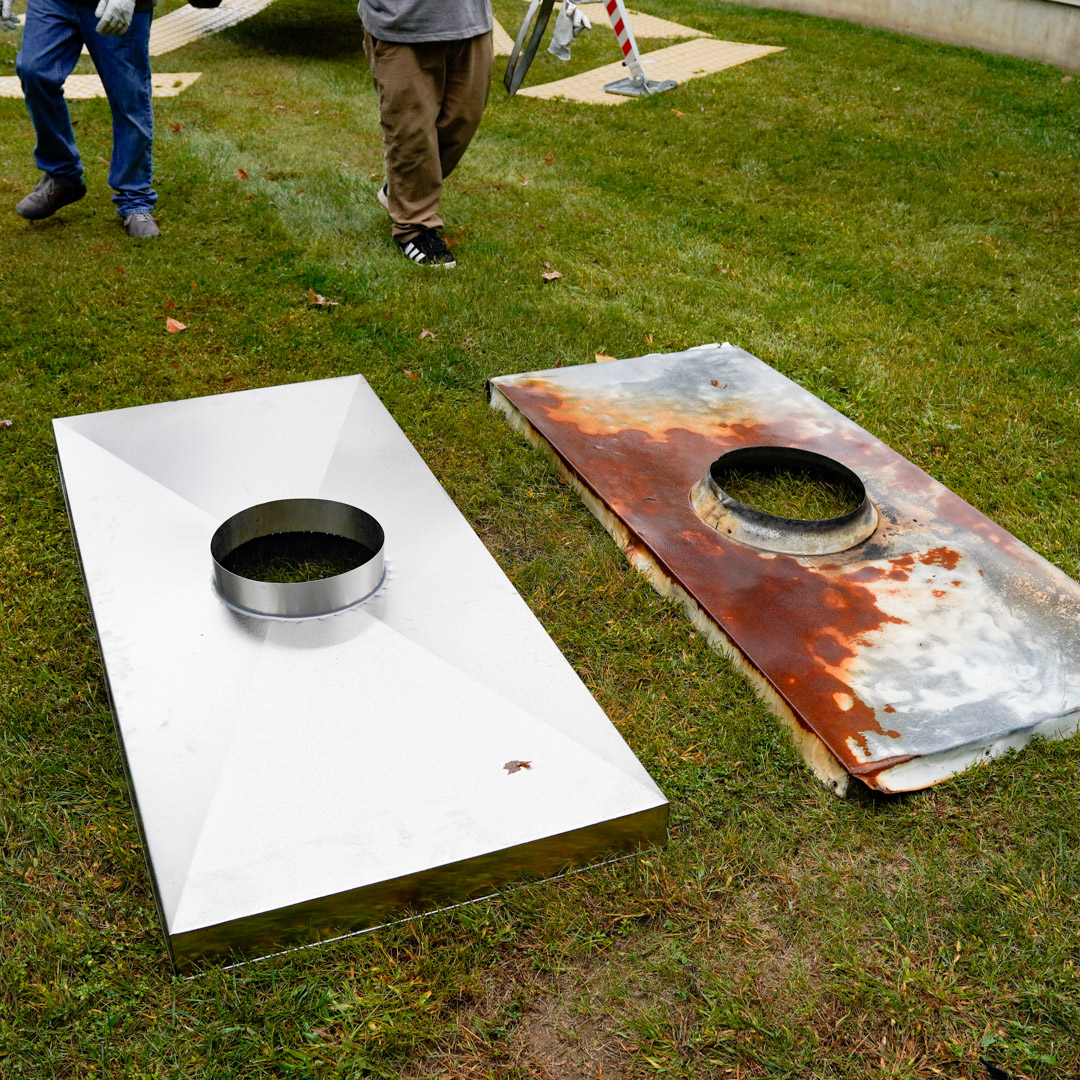
Rust and Metal Corrosion If your chimney has a metal damper, liner, or cap, prolonged exposure to moisture can lead to rust. A rusty damper may not seal properly, which lets in more humid air, and the cycle continues.
Mold and Mildew Growth Where there’s moisture, mold isn’t usually far behind. A damp chimney is the perfect breeding environment for mold and mildew, especially in an unused fireplace. Besides the musty odor, mold can cause health issues if spores get into your living space.
Bad Odors Does your living room smell like an ashtray? That’s probably because moisture from humidity is mixing with the creosote that’s building up in the flue liner. That’s why you’ll notice this odor more in the summer than in other parts of the year.
How to Know You Have a Humidity Problem
Sometimes, chimney problems are obvious, but when it comes to moisture, diagnosing the issue can be tricky. Here are some red flags that your chimney is suffering from humidity issues.
- Musty or smoky odors, especially in the summer
- Visible mold inside the firebox or on the bricks
- Peeling paint or water stains on the chimney
- Rust on the damper or fireplace tools
- Crumbling mortar or loose bricks
- White, chalky streaks on the outside of the chimney (called efflorescence).
If you spot any of these signs, it’s time to take action. What You Can Do About It? The good news is that you can protect your chimney from humidity and moisture damage, and most ways are surprisingly simple.
Close the Damper
Close the damper when you’re not using your fireplace. An open damper is like an open window; it lets warm, moist air right into your chimney.
Install a Chimney Cap
A chimney cap is one of the best defenses against moisture intrusion, such as rain, ice, and humidity, while still letting smoke escape during a fire.
Waterproof the Exterior
Call a professional chimney service company and ask about having a waterproofing product applied to your chimney. These products allow water to escape while preventing moisture from getting in and can extend your chimney’s lifespan.
Schedule a Chimney Inspection
If you see signs of moisture damage, have a pro look at it. A certified chimney sweep can check for interior rust, mold, cracked flue tiles, and other problems that you might not notice.
Consider a Top-Sealing Damper
Unlike traditional throat dampers, top-sealing dampers close off the entire top of the flue, creating a tighter seal that keeps humidity out year-round. Humidity might be unavoidable in the summer, but chimney damage isn’t.
Call the pros at Dubuque Fireplace & Patio to schedule a chimney inspection and cleaning. We’re the most trusted experts in chimneys and fireplaces throughout Southwest Wisconsin, Southeast Iowa, and Northwest Illinois.